

The cost of a smart locker system can vary considerably, from relatively simple electronically controlled storage units to sophisticated installations that manage thousands of equipment handovers or customer collections. Understanding what drives these differences is important for any organisation considering an investment in smart locker technology.
Unlike conventional lockers, where pricing is largely determined by physical construction and the number of compartments, smart lockers combine hardware, electronic access controls and software to manage how items are stored, accessed and retrieved. Depending on the application, they may also incorporate charging infrastructure, user authentication, automated notifications and connections to existing business systems.
Consequently, the price of a smart locker is not simply the cost of the cabinet itself. It reflects the technology required to support a particular operational process, the complexity of implementation and the services needed to maintain the system throughout its working life.
For prospective buyers, the challenge is understanding which capabilities are necessary, how different configurations influence pricing and whether the anticipated operational benefits justify the investment.
How much do smart lockers cost in the UK?
There is no universally applicable price for a smart locker system because the market encompasses a wide range of products, configurations and operational requirements.
At the simpler end of the market are electronically controlled lockers that provide secure, keyless access to individual compartments. These systems may offer limited management functionality and can be suitable for organisations that primarily require controlled storage.
More sophisticated smart lockers incorporate centralised management software, user authentication, automated allocation rules and digital transaction records. Some also connect with warehouse management systems, retail order platforms or other enterprise applications to support more complex operational processes.
The difference in specification can have a substantial influence on price. A relatively small installation with standard compartments and straightforward access requirements will generally involve less investment than a multi-site deployment requiring bespoke software integration and specialist hardware.
Even systems with similar physical dimensions may have different prices because their underlying technology, functionality and contractual arrangements are not equivalent.
Published supplier prices can provide useful initial guidance, but buyers should establish whether the quoted amount includes software, delivery, installation and ongoing support. A hardware-only price cannot be compared directly with a fully implemented and supported system.
The most reliable way to establish the likely cost is therefore to define the operational requirement before seeking a quotation.
What factors determine the cost of a smart locker system?
Several interconnected factors influence smart locker pricing. Some relate to the physical construction of the system, while others concern the technology required to control access, manage transactions and integrate the lockers into an organisation's existing operations.
Understanding these factors helps buyers distinguish between essential functionality and additional features that may offer limited value for their particular application.
Number and size of locker compartments
The number of compartments is one of the most visible factors affecting the price of a smart locker system. Each electronically controlled door requires a locking mechanism, associated electrical components and a connection to the system's control infrastructure.
However, the relationship between the number of compartments and the total price is not necessarily linear. Certain components, such as controllers and shared electronics, can support multiple doors. Consequently, doubling the number of compartments does not automatically double the overall cost.
Compartment dimensions are equally important. A locker designed to accommodate handheld scanners or small personal items will have different manufacturing requirements from one intended to store larger parcels, equipment or products.
Where organisations require a combination of compartment sizes, the physical configuration must reflect the anticipated range of items and how frequently they will be stored or collected.
An effective specification therefore considers both the quantity of compartments and how efficiently they can accommodate the intended transactions.
Construction, materials and operating environment
The materials and construction of a smart locker influence its durability, security and suitability for different operating environments.
Indoor systems installed in controlled premises may require different specifications from lockers exposed to weather, intensive public use or demanding industrial conditions. Outdoor installations, for example, may need additional protection against moisture, temperature variation and corrosion.
The required level of physical security can also influence construction, particularly where lockers are used to store valuable equipment or operate in publicly accessible locations.
Custom dimensions, specialist finishes and additional protective features may increase manufacturing costs. However, these requirements should be evaluated against the environment in which the lockers will operate rather than selected simply because they represent a higher specification.
A system designed appropriately for its intended environment is more likely to provide reliable service without unnecessary expenditure.
Electronic locks and access technology
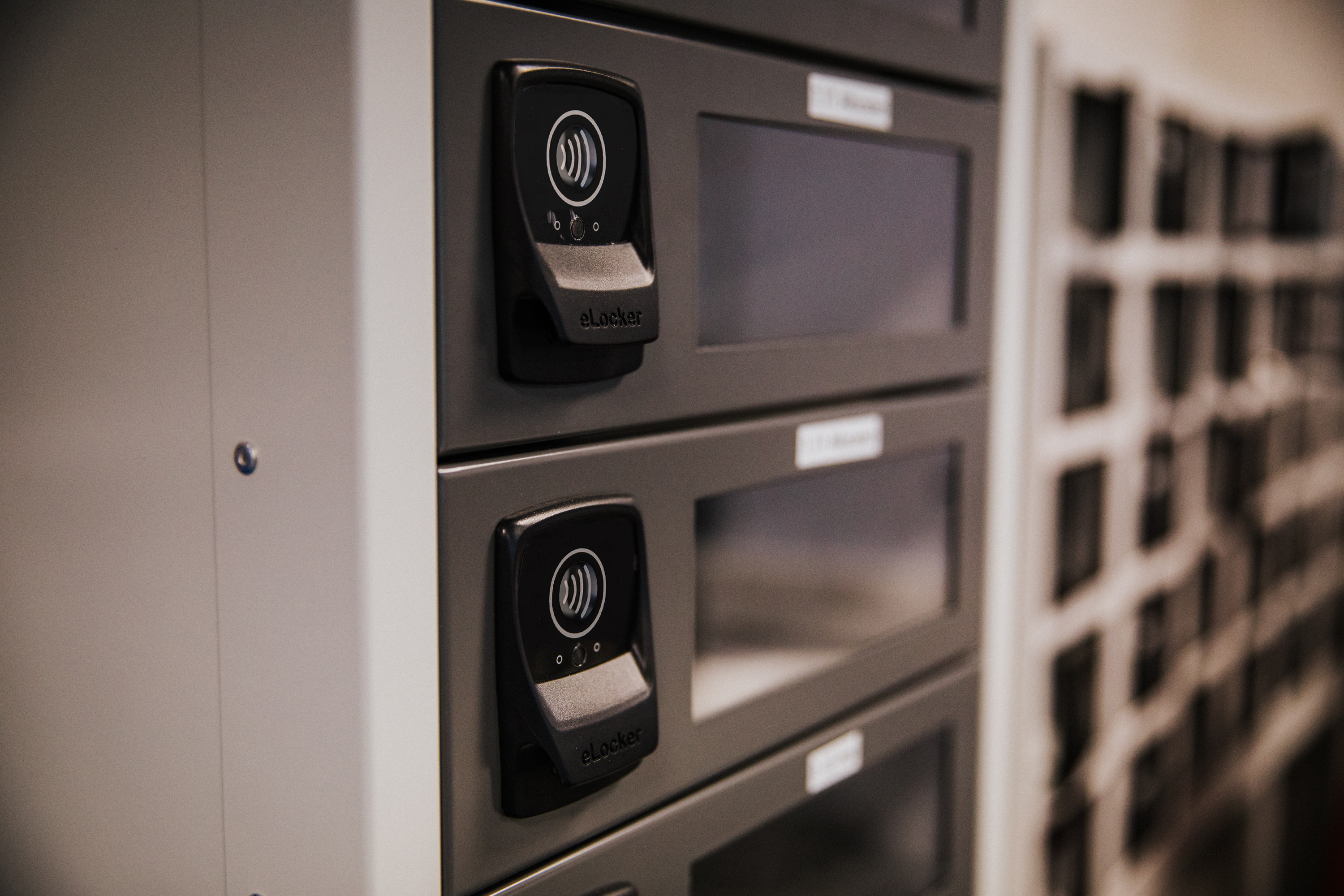
Electronic locking mechanisms are a defining component of smart locker systems. They allow compartments to be opened through authorised electronic commands rather than relying exclusively on mechanical keys.
The number and type of locks influence hardware costs, while the method used to authenticate users can introduce additional technology requirements.
Depending on the system, access may be provided through PIN codes, QR codes, RFID credentials or other supported identification methods. Some installations incorporate a central touchscreen, while others use alternative interfaces or authentication processes.
The appropriate configuration depends on who needs access and how the transaction should operate.
A warehouse managing shared operational equipment may wish to identify employees through existing credentials, whereas a retailer may need customers to collect orders using a unique code generated during the purchasing process.
These differences can affect the hardware, software and integration requirements, making access technology an important consideration when comparing quotations.
Software functionality and system integration
The software supporting a smart locker system can significantly influence both its initial implementation cost and ongoing expenditure.
Basic management functionality may provide user permissions and digital records of compartment access. More advanced systems can support automated allocation, notifications, transaction histories, reporting and exception management.
These capabilities allow lockers to become part of a wider operational process rather than functioning solely as electronically controlled storage.
For example, a warehouse may require software that manages equipment issue and return across multiple shifts, while a retailer may need the locker system to respond to order information and confirm when a customer has collected an item.
Where the locker must exchange information with existing business applications, additional integration work may be necessary. The complexity depends on the available interfaces, the information being exchanged and whether the required workflow can be supported through standard functionality.
Bespoke integrations can increase implementation costs and may also introduce additional maintenance requirements.
The most appropriate solution is therefore not necessarily the system offering the greatest number of features, but the one whose functionality aligns most closely with the organisation's operating requirements.
Charging infrastructure and specialist equipment
Certain smart locker applications require additional components beyond the standard locking and control mechanisms.
Warehouse asset management systems may incorporate charging facilities for handheld scanners, mobile computers and other battery-powered devices. These installations require suitable electrical connections, compatible charging equipment and compartments designed around the physical characteristics of the devices.
Other applications may require scanning equipment, customer-facing interfaces or specialist environmental controls.
Such features can increase the overall investment, particularly where they require bespoke engineering or additional electrical infrastructure.
Organisations should establish whether these capabilities are essential to the intended application and whether they are included within the supplier's standard configuration.

Smart locker pricing isn't simply about the number of compartments. The real cost depends on the hardware, access technology, software functionality and how the system needs to integrate with a customer's operations.
How do different smart locker applications affect pricing?
Although smart lockers share common technological principles, their intended application can substantially influence the specification and overall cost.
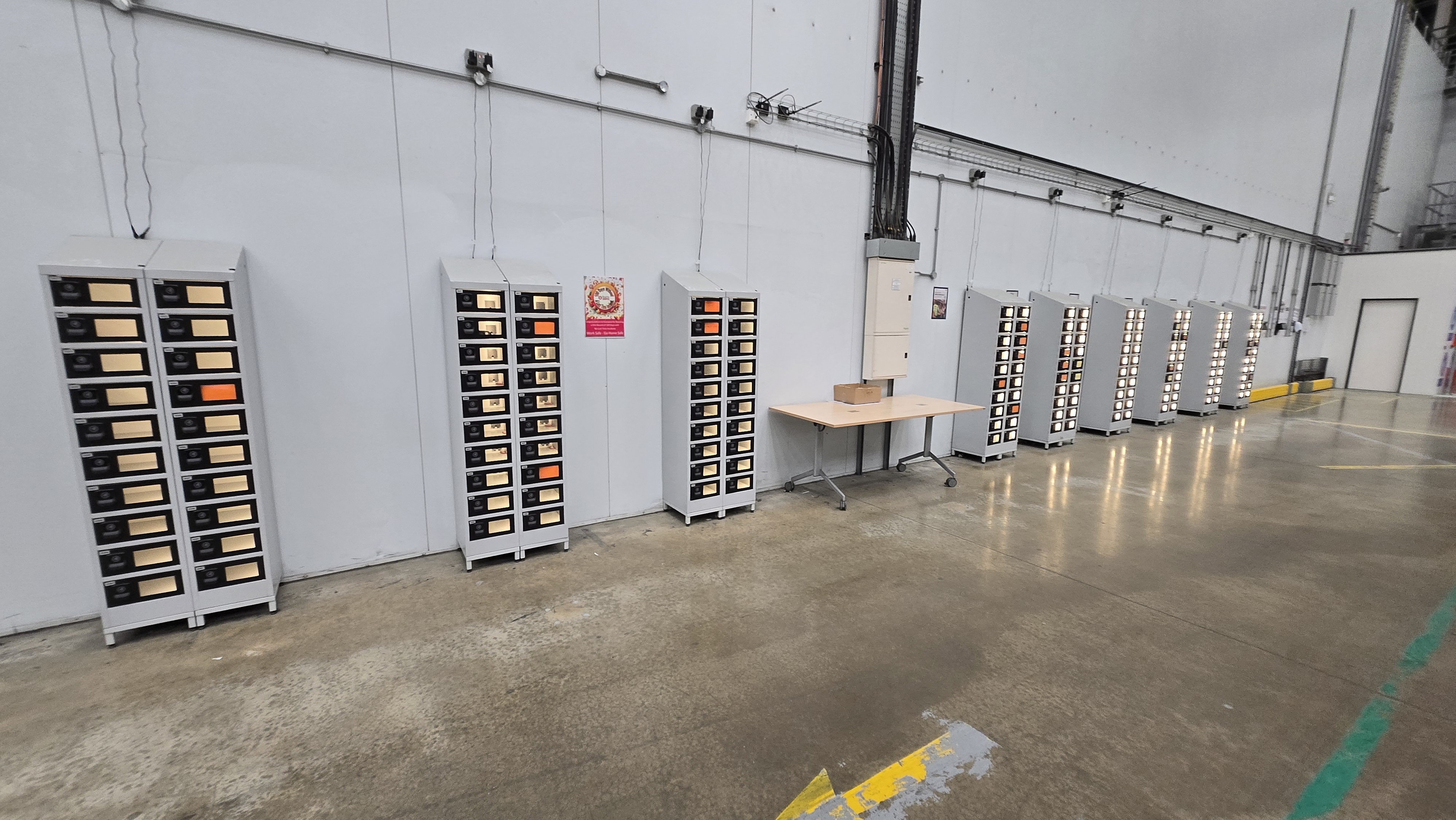
In warehouses and distribution centres, smart lockers are often used to manage shared operational equipment such as handheld scanners, mobile computers and radios. These systems may need to accommodate device-specific charging arrangements, identify authorised users and maintain records of equipment issue and return.
The operational objective is generally to improve equipment availability, reduce losses and create a more consistent handover process between shifts.
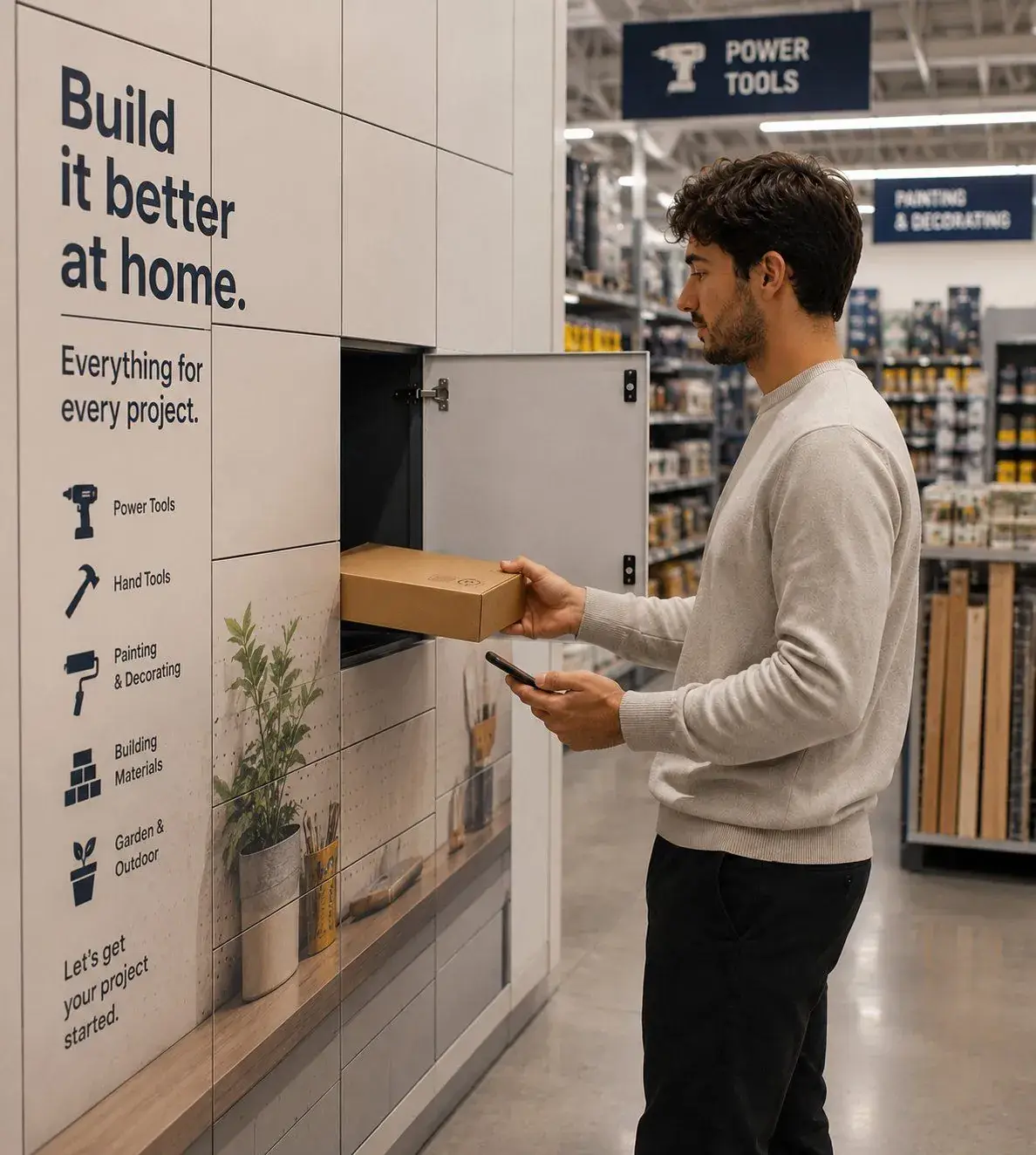
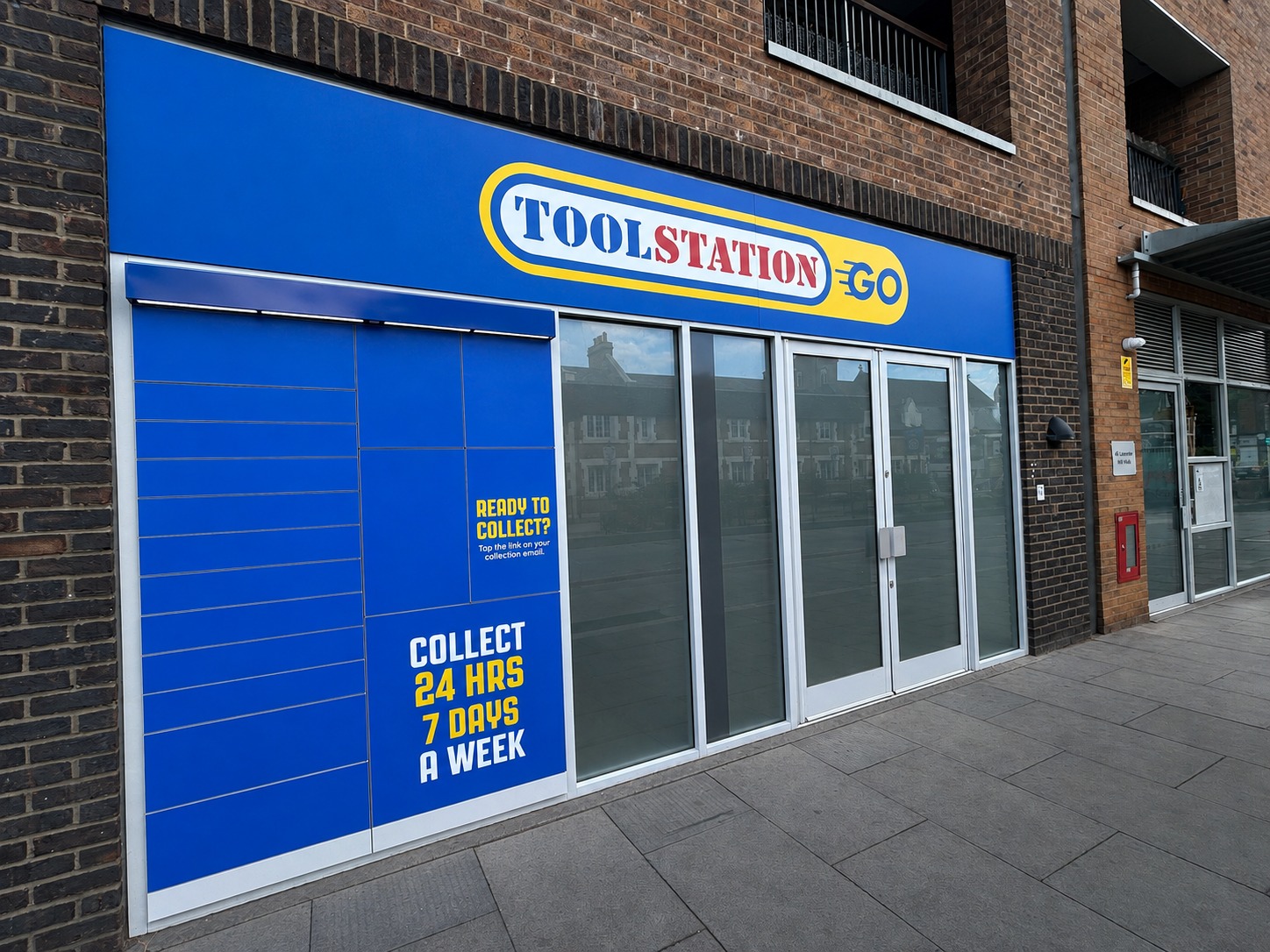
Retail collection and return lockers operate differently. They are designed to support the movement of customer orders and returned products, often requiring integration with order management processes and a convenient method of customer authentication.
Compartment sizes may need to accommodate different product dimensions, while the software must support the relevant collection or return workflow.
Consequently, two smart locker installations with the same number of compartments may have significantly different costs because they perform different functions.
This distinction is particularly important when comparing supplier quotations. A lower-priced system may provide adequate electronically controlled storage but lack the software or integration capabilities required to support the intended operational process.
Buyers should therefore evaluate whether the proposed solution can perform the necessary transactions reliably, rather than comparing hardware specifications in isolation.
What additional costs should buyers consider?
The initial purchase price is only one component of the financial commitment associated with a smart locker installation. Depending on the supplier and commercial arrangement, organisations may also need to account for implementation, software, maintenance and ongoing support.
Installation costs can vary according to the location and complexity of the deployment. A system positioned inside an existing building with suitable electrical and network infrastructure may require relatively little preparation, whereas an outdoor installation or multi-site rollout could involve additional works.
Software licensing is another consideration. Some suppliers charge recurring fees for access to management platforms, reporting functionality or other services. These charges may be structured according to the number of lockers, compartments, locations or the agreed level of functionality.
Where integration with existing systems is required, implementation may involve configuration, development and testing. Organisations should also understand whether subsequent changes to connected applications could create additional costs.
Maintenance and technical support are equally relevant. Electronic locks, control equipment and other components may require servicing or replacement during the system's working life. Software updates and technical assistance may be included within an agreement or provided through a separate support contract.
The following table summarises the principal cost categories buyers should consider.
| Cost category | Principal considerations |
| Hardware | Locker construction, number of compartments, electronic locks and specialist components |
| Installation | Delivery, positioning, electrical connections, configuration and commissioning |
| Site preparation | Power, connectivity, floor space and any necessary building works |
| Software | Licensing, management functionality, reporting and updates |
| Integration | Connections with existing business systems and associated development |
| Maintenance | Servicing, replacement components and preventative maintenance |
| Support | Technical assistance, service agreements and response arrangements |
| Future expansion | Additional compartments, new locations or changes to functionality |
Not every installation will involve all these costs, and some suppliers may include several elements within a single quotation.
The important consideration is whether the proposed price reflects the complete solution required to operate the system effectively.
When comparing suppliers, it's important to understand what's included beyond the physical lockers. Installation, software, integration and ongoing support can all influence the total investment and the long-term cost of ownership.
Can smart lockers be purchased, leased or provided as a service?
The commercial arrangement through which smart lockers are acquired can influence both the initial financial commitment and the costs incurred over time.
Under an outright purchase model, the organisation typically pays for the physical equipment and associated implementation costs upfront. Software licensing, maintenance and technical support may then be provided through separate agreements.
This approach can appeal to organisations with available capital expenditure budgets that prefer to own the physical infrastructure.
Alternative arrangements may allow the investment to be spread over an agreed period through leasing or financing. These can reduce the immediate capital requirement, although the overall financial commitment and eventual ownership position need to be understood.
Some suppliers also offer subscription-based or managed-service arrangements that combine equipment with selected software and support services.
Such models may provide more predictable expenditure and simplify certain aspects of ongoing management as well as software updates and service levels, but the scope of the agreement can vary considerably.
Buyers should examine contract duration, included services, maintenance responsibilities and the arrangements for upgrading or returning equipment at the end of the agreement which are often included in solutions that offer a subscription model. Out of contract paid-for hardware can often become inoperable and service plans expensive to renew on legacy equipment
A lower initial payment does not necessarily represent a lower overall cost. The commercial models should be compared over a consistent period using equivalent assumptions.
How should businesses calculate the total cost of ownership?
Total cost of ownership, commonly abbreviated to TCO, provides a more comprehensive way of evaluating smart locker expenditure than considering the purchase price alone.
It includes the costs of acquiring, implementing, operating and maintaining the system over a defined period.
For a smart locker installation, this means considering the initial hardware and implementation investment alongside recurring software, support and maintenance charges. Depending on the expected lifespan of the equipment, organisations may also need to allow for replacement components, upgrades or eventual decommissioning.
A straightforward calculation is:
Total cost of ownership = Initial investment + Ongoing operating costs + Anticipated lifecycle costs
Comparing alternative solutions over a consistent period, such as three or five years, can reveal differences that are not immediately apparent from the initial quotations.
For example, one supplier may offer a lower equipment price but charge more for software and maintenance. Another may require a greater upfront investment while including a wider range of services within the agreement.
Neither approach is inherently preferable. The appropriate choice depends on the total financial commitment, the functionality provided and the organisation's operational requirements.
Where future expenditure is material, finance teams may also consider the timing of payments and apply discounted cash-flow analysis.
Importantly, total cost of ownership measures expenditure rather than value. Establishing whether the investment is commercially worthwhile requires an assessment of the benefits the system is expected to deliver.
Are smart lockers worth the investment?
The commercial value of smart lockers depends on the operational problem they are intended to address and the extent to which the proposed system can improve existing processes.
In warehouse environments, shared equipment may need to be distributed and recovered repeatedly throughout the day. Where this process is managed manually, supervisors can spend time locating devices, resolving shortages and investigating equipment that has not been returned.
A suitable smart locker system can introduce greater control over equipment access and provide a more consistent issue-and-return process. The potential financial benefits may include reduced administrative effort, improved equipment availability and lower replacement expenditure.
Retail applications present different opportunities. Customer collections and returns can require employees to retrieve orders, verify collection details and complete manual handovers.
Where an appropriate self-service locker system can manage these transactions, retailers may be able to reduce certain handling activities while providing customers with a more convenient collection experience.
However, these benefits should not be treated as automatic. Their value depends on transaction volumes, existing labour requirements, adoption rates and how effectively the locker system is incorporated into day-to-day operations.
A credible business case should therefore begin with an assessment of current performance. Organisations need to understand how much time and money is associated with the existing process before estimating the potential improvements.
Return on investment can then be evaluated by comparing the financial benefits generated over a defined period with the costs incurred during that same period.
Where benefits cannot be reliably quantified, they should be considered separately rather than converted into speculative financial savings.
The objective is to determine whether the proposed system offers a proportionate and commercially justified response to the organisation's operational requirements.
The strongest business cases start by understanding the cost of the existing process. Whether that's lost equipment, manual handovers or wasted staff time, those inefficiencies help establish the potential return on investment.
What should you ask a smart locker supplier before requesting a quote?
Obtaining an accurate smart locker quotation begins with a clear understanding of the intended application.
Organisations should establish what items will be stored, how frequently compartments will be accessed and whether users are employees, customers or another defined group. The required number and dimensions of compartments should reflect these operational needs rather than simply the available installation space.
It is also important to identify the necessary access controls, software functionality and any integration requirements.
Buyers should establish which elements are included within the proposed price, particularly installation, commissioning, software licensing and ongoing support. Where future expansion is anticipated, they should understand whether additional compartments or locations can be accommodated without substantial changes to the existing infrastructure.
Providing suppliers with a consistent specification makes it easier to obtain comparable quotations and reduces the risk of unexpected expenditure during implementation.
Conclusion: Choosing a smart locker system based on value, not price alone
Smart locker pricing reflects considerably more than the physical construction of a cabinet. Electronic locks, compartment configuration, software, integration and ongoing service requirements all contribute to the overall investment.
For organisations considering smart lockers, understanding these components provides a stronger basis for evaluating alternative solutions and identifying which capabilities are genuinely necessary.
The most appropriate system is not necessarily the cheapest or the most technologically sophisticated. It is the one that can support the required operational process reliably, at a cost justified by the benefits it delivers.
By evaluating total cost of ownership alongside expected improvements in efficiency, accountability and user experience, businesses can make a more informed investment decision.