From a spreadsheet of locker keys to automated collections and returns
Some businesses begin with a grand plan. eLocker began with a much more practical problem: thousands of lockers, thousands of keys, and a spreadsheet that was no longer fit for purpose.
For Jacob Hinson, founder of eLocker, that problem first appeared while running The Big Green Locker Company, a festival and events business managing large volumes of lockers. The first commercial customer to experience the same challenge was Tesco, at its former Fenny Lock site, where managing a couple of thousand lockers manually had become inefficient and unsustainable.
What started as a better way to manage lockers has since evolved into something far more strategic: a connected technology platform helping large organisations improve efficiency, manage assets, support collections and returns, and create better everyday experiences for the people using their sites.
In this Q&A, Jacob reflects on where eLocker began, what customers have taught him, why integrity sits at the centre of the business, and how aerobatic flying has shaped the way he thinks about preparation, risk and leadership.

What was the first customer problem that made you believe eLocker needed to exist?
The first problem was actually our own.
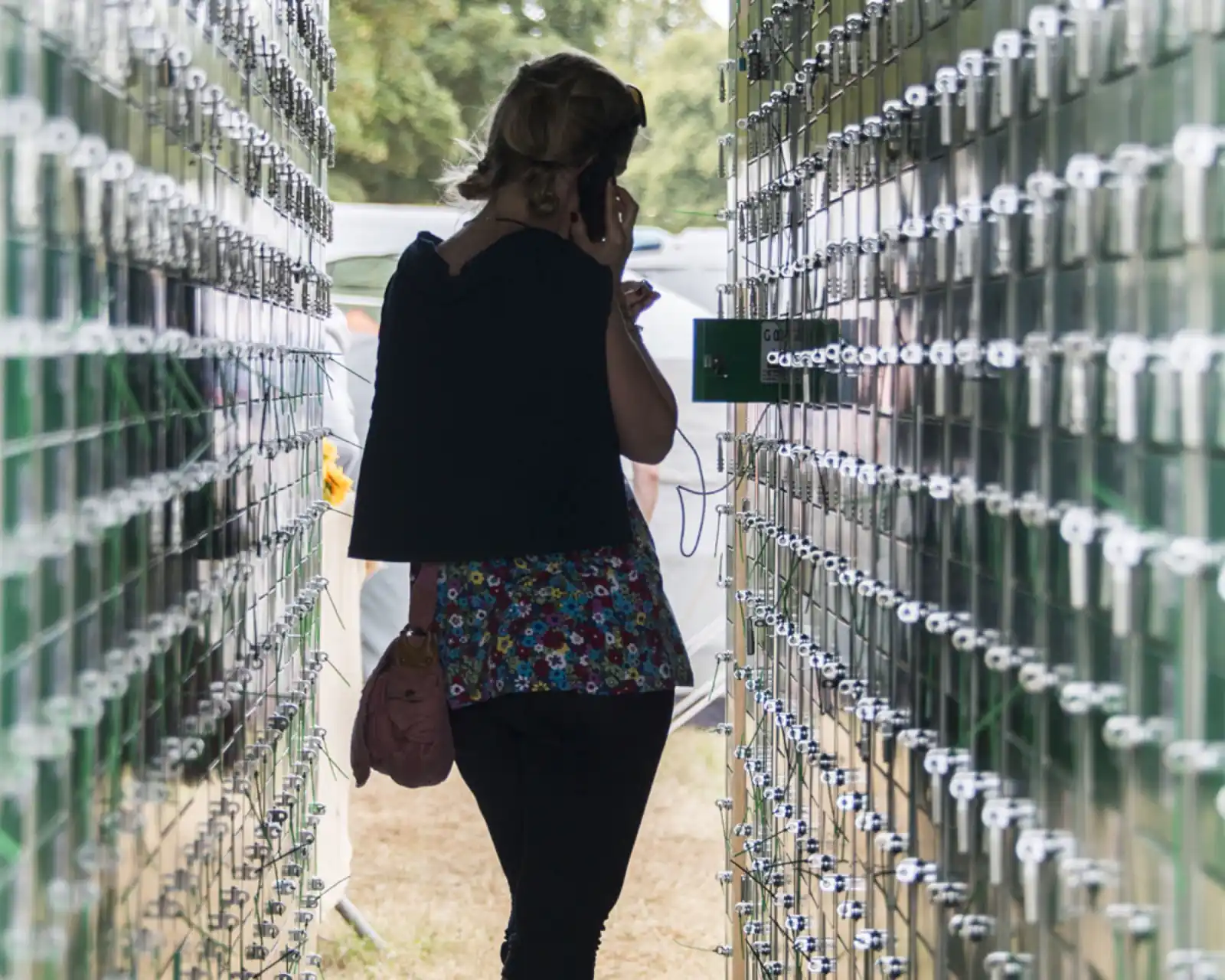
We were running a festival business called The Big Green Locker Company, and we had thousands and thousands of lockers to manage. We needed somewhere better to manage the keys for those lockers, because doing it manually just was not scalable.
The first customer to use the platform was Tesco. They had a couple of thousand lockers at their Fenny Lock site and needed a better way to manage them than a spreadsheet. So we built a very early version of what became eLocker Manager, our online platform.
That was the starting point. It was very practical. There was a real operational problem, and we built something to solve it.
When did you realise the business was not really about lockers, but about operational efficiency?
Very early on.
The buying logic has always been about efficiency. It was never really just a key management platform. It was about making the process of managing lots of lockers easier, saving time, reducing effort and improving the outcome for the customer.
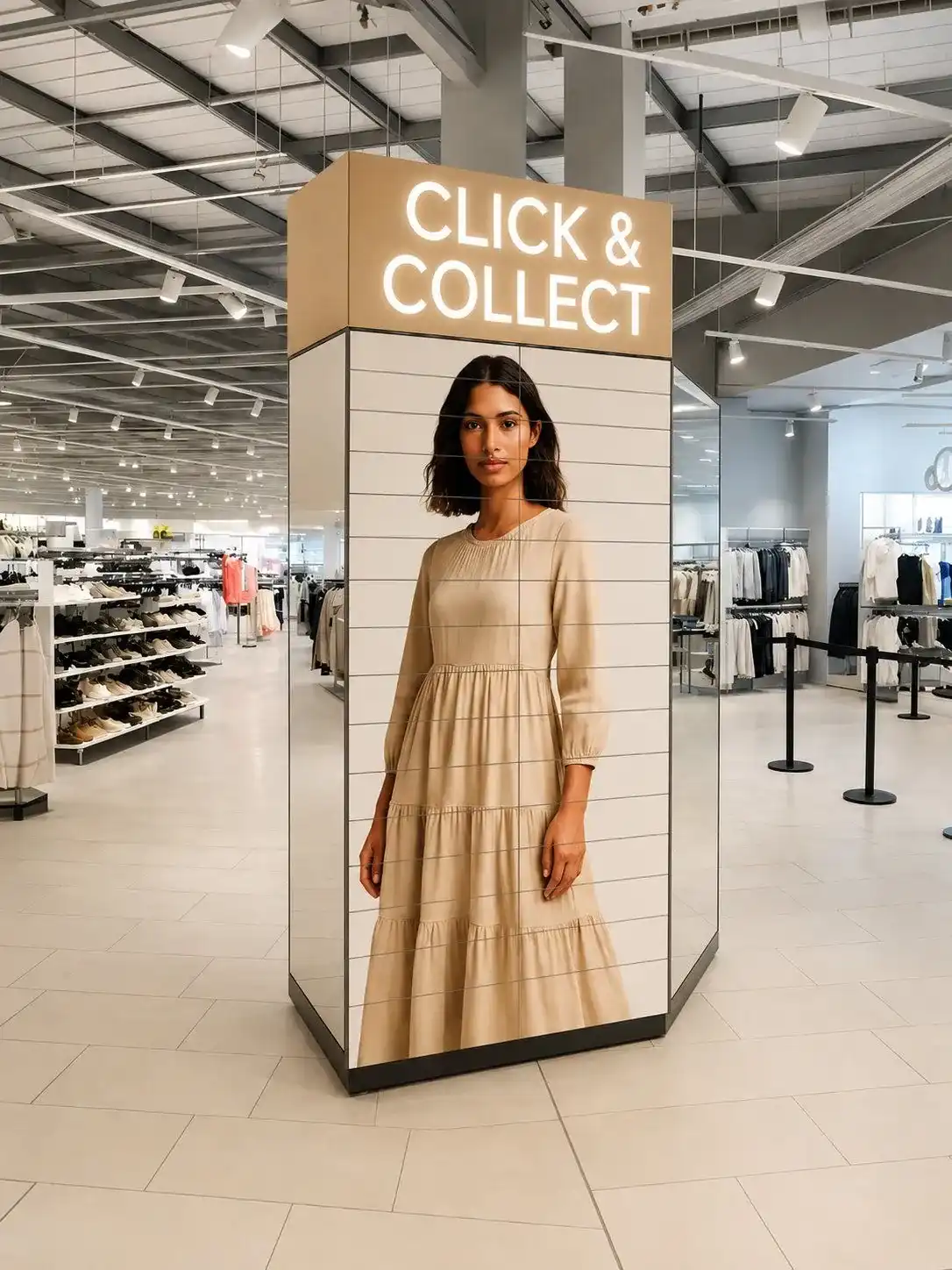
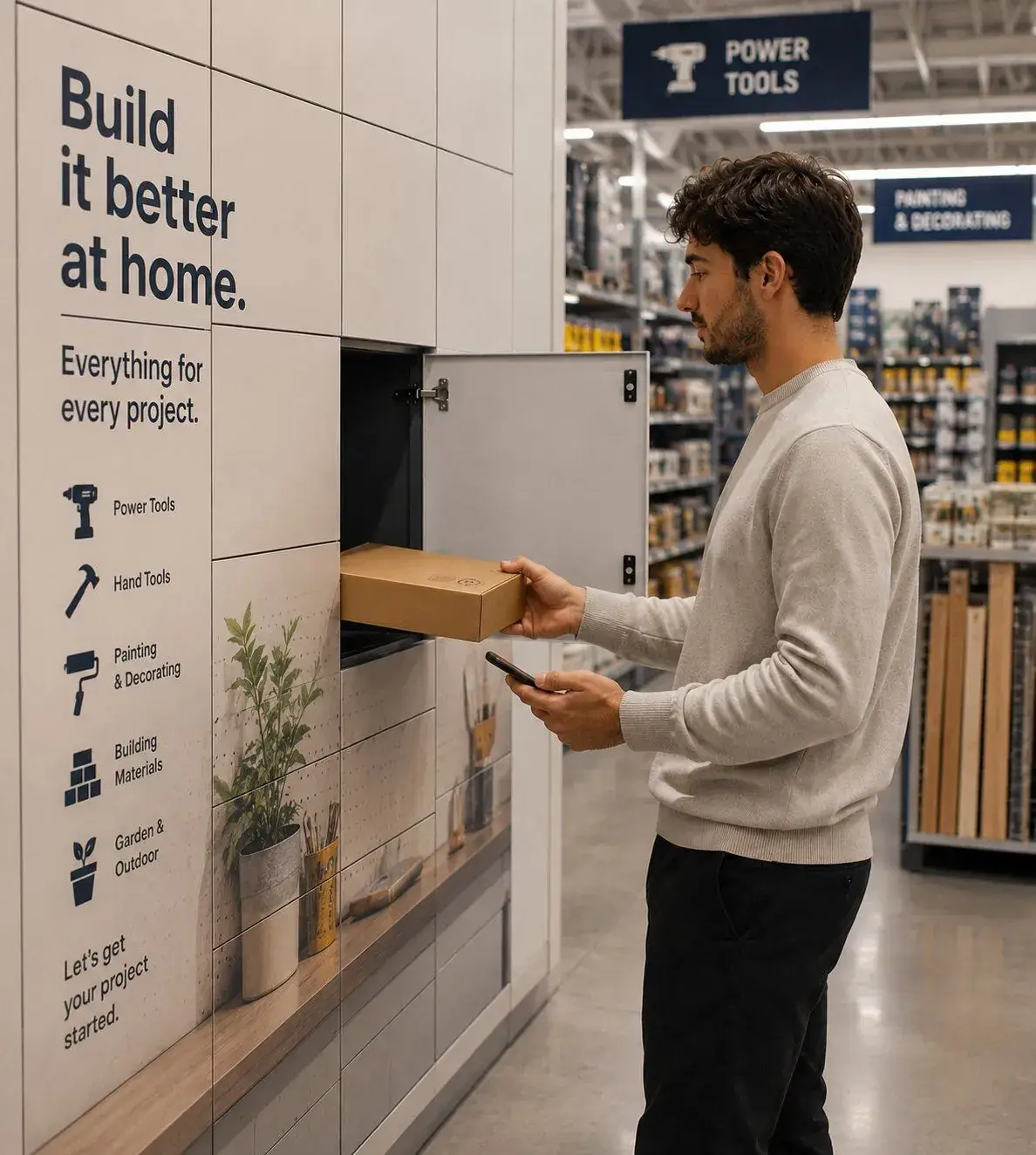
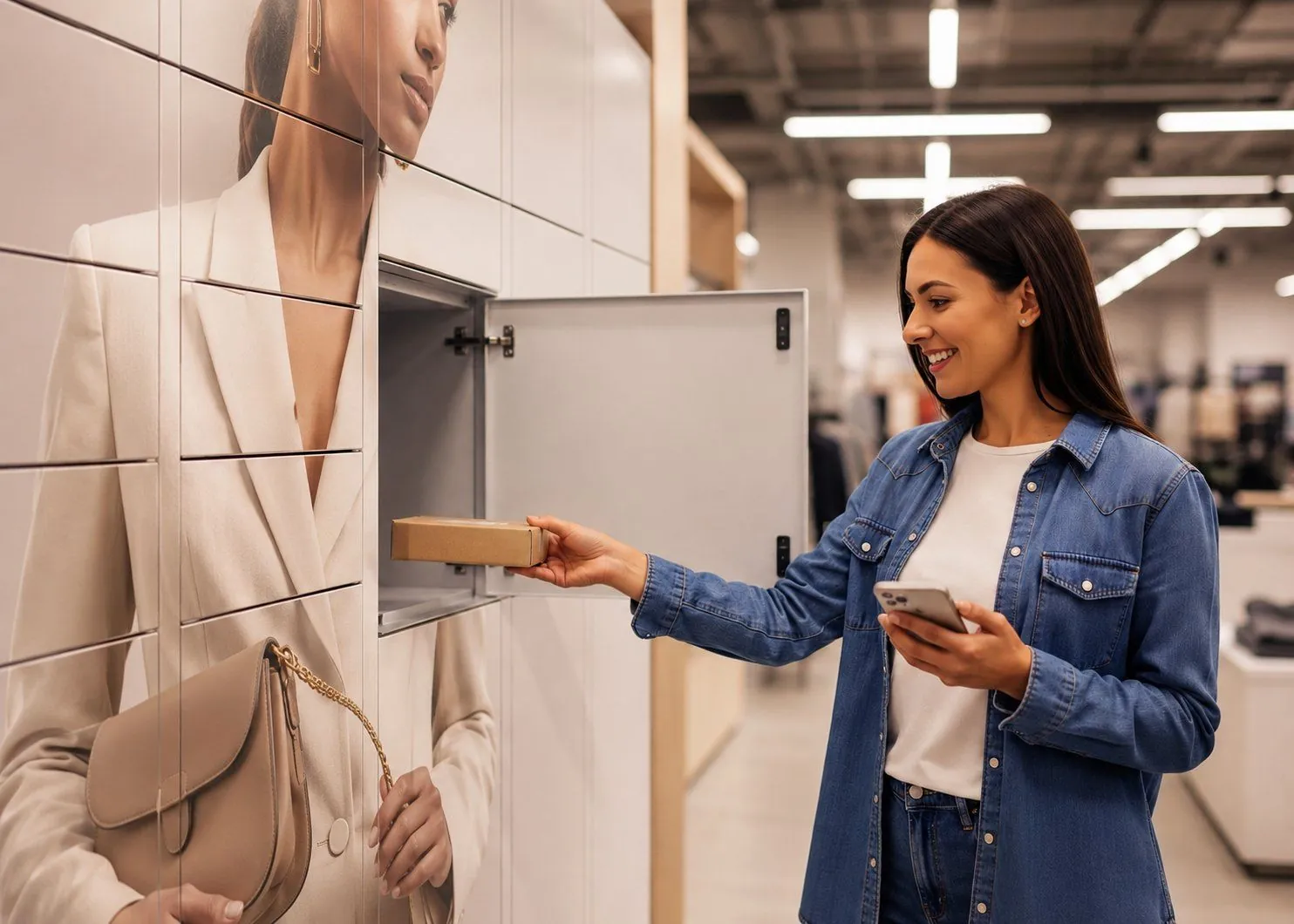
We started with staff lockers, then moved into asset management for devices, and now into click and collect. The underlying idea is still the same: a secure, connected locker that helps an organisation run something more efficiently.
A locker may look like a simple metal box, but when it is connected to the internet and properly integrated into a workflow, it becomes part of a much bigger operational system.
What did the first version of eLocker get right, and what did it get wrong?
The first version was effectively an upgraded spreadsheet. It did a good job for simple workflows.
For example, in a warehouse, if someone was assigned locker five and used locker five for the whole time they were employed there, it worked well. It was secure and it solved that basic management problem.
What it did not do was connect to the internet and tell us what was happening. It could issue access, but it could not give logs or data on usage. That was the limitation.
That is where the connected, wireless part of the platform became so important. We needed to move from simply assigning lockers to understanding how they were being used.
What have customers taught you that you could not have learned from a business plan?
The biggest lesson has been the importance of communication and stakeholder management.
We work mainly with large corporate organisations, and understanding how those organisations make decisions is critical. It is not just about whether the product works. It is about understanding who influences the decision, what matters to different stakeholders, and how the internal ecosystem works.
I do not have a business degree. I have only ever worked for myself, so I have learned a lot of this through experience. It has been a baptism of fire at times, but it has shaped how we work with customers today.
Why does honest selling matter to you?
Because you have to be able to walk the talk.
You need to stand behind what you have sold. For me, that is partly commercial and partly personal. I would like to think I have a decent moral compass, and that has carried into the business and the culture we have built.
Our values are accountability, collaboration and creating value. They are centred around the customer. If you oversell something, or say it does something it does not do, you will get found out. Customers will not renew.
So yes, there is a pragmatic business reason for being honest. But more than that, it is about being decent, open and accountable.
Why was the New Look project such a defining example for eLocker?
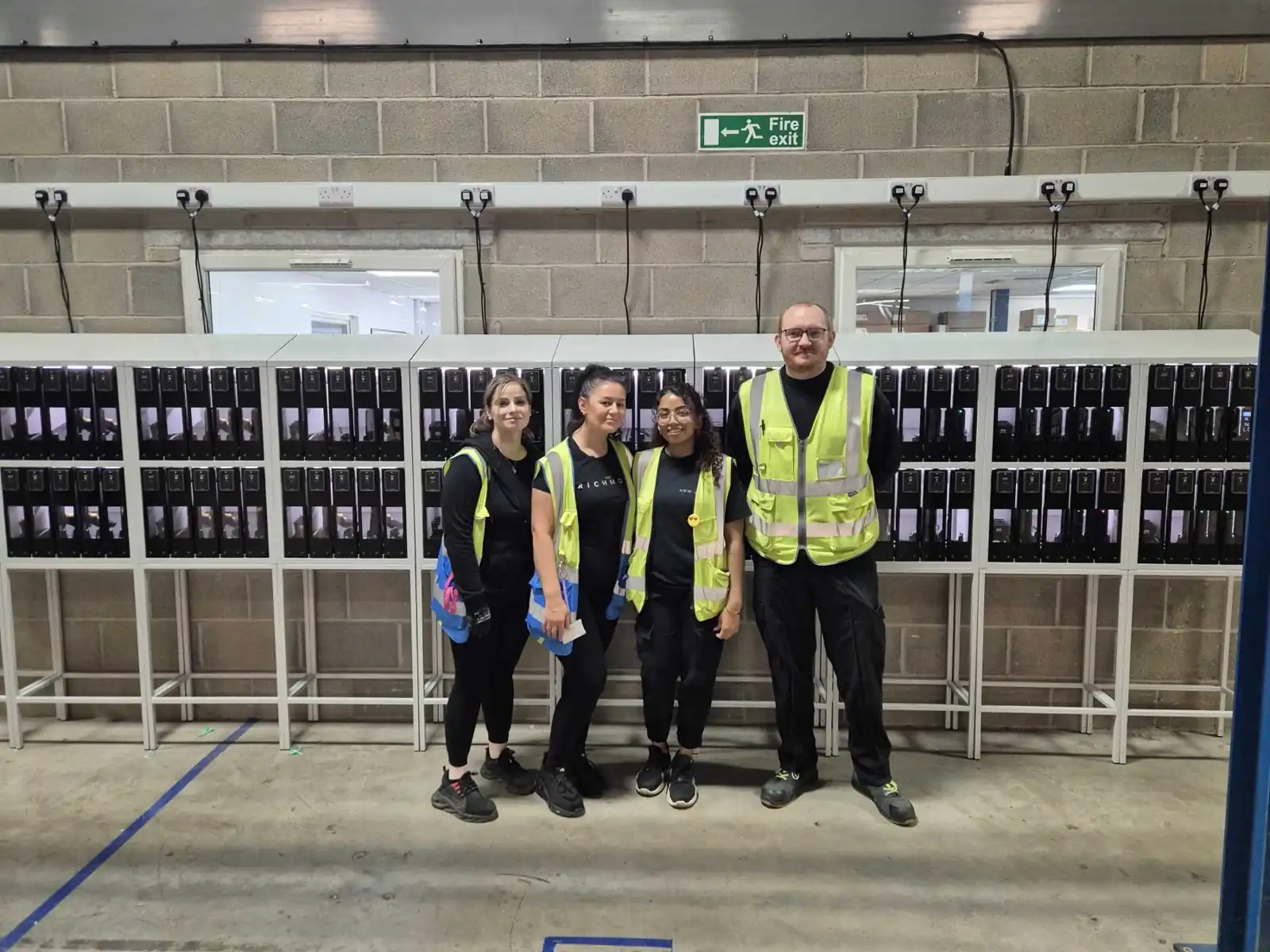
New Look had a very complex set of problems. The site setup was antiquated, there were a lot of people involved, and there was a lot of cost in the existing process.
They also wanted a sophisticated solution. That gave us the chance to really show what we could do as a technology business.
We were able to bring in clever innovation around battery management and asset management, solve complex site problems, and save them a significant amount of money. It became a defining project because it brought together three important things: strong technology, operational problem-solving and clear commercial value.
Why was moving towards software and subscription such an important shift?
It keeps us honest.
If customers are paying monthly, we have to show up monthly. It encourages us to provide a high level of support because the relationship is ongoing. That is very different from a model where a customer pays a large amount upfront and the supplier has already made their profit.
It also makes implementation easier for customers. Rather than requiring a large capital expenditure request, eLocker can often sit within an operational budget. In retail especially, where cost pressures are significant, that matters.
If eLocker costs a hundred pounds a month but saves two hundred, that is a straightforward story for a customer to understand.
What does accountability mean inside eLocker?
It means taking ownership.
It is having a bias for action, standing behind decisions, and not passing responsibility elsewhere. We talk a lot about championing customers. If there is a problem, we put our hands up, say there is a problem, and work out how to solve it.
That might be an issue with a customer, a supplier, or something internal. But the principle is the same. If we keep each other honest and communicate clearly, we do a better job.
How has aerobatic flying influenced how you think about business?
Flying has taught me a lot about preparation, risk and decision-making.
With aerobatics, you might fly for 20 minutes, but you can spend an hour or more on the ground preparing. You plan the sequence, understand your gate heights, and know before you take off what decisions you will make in the air.
People assume aerobatic pilots are adrenaline junkies, but most of us are actually quite risk averse. You are dealing with high risk for a short period of time, so preparation matters. You manage the risk before you are in the situation.
Business risk is different. It is broader, more complex and usually plays out over a longer period. But the discipline is similar. You prepare properly, make decisions, manage problems as they come, and avoid catastrophising when something goes wrong.
Flying has also taught me to trust myself under pressure. If something happens, you need to believe you can get yourself out of the situation.

What role has curiosity played in building eLocker?
A big one.
I have always come at things from a slightly different angle. I am curious, creative and very focused on solving problems. There is probably a neurodiversity piece in there too. I do not see that as something to overplay, but I do think the ability to hyperfocus has been important.
The business would not be where it is if I had not become completely absorbed in it. That comes with personal cost at times, but building a business properly does. Anyone who says running a business is easy is not telling the truth. It is hard, it is personal, and you have to be bolted to it if you want it to succeed.
What do you want eLocker to be known for over the next decade?
I want eLocker to be known as the market leader in automated collections and returns.
We may never be a household name because we are a B2B business, but I like the idea that thousands of people are using our technology every day and having a better experience because of it.
That is a good feeling. We are the underlying technology, quietly making things work better.

See how the platform works today
eLocker's connected locker technology helps organisations improve efficiency, manage assets, and support automated collections and returns.